
“ALCP 2023: Truth, Justice, Freedom, Safety, Prosperity”
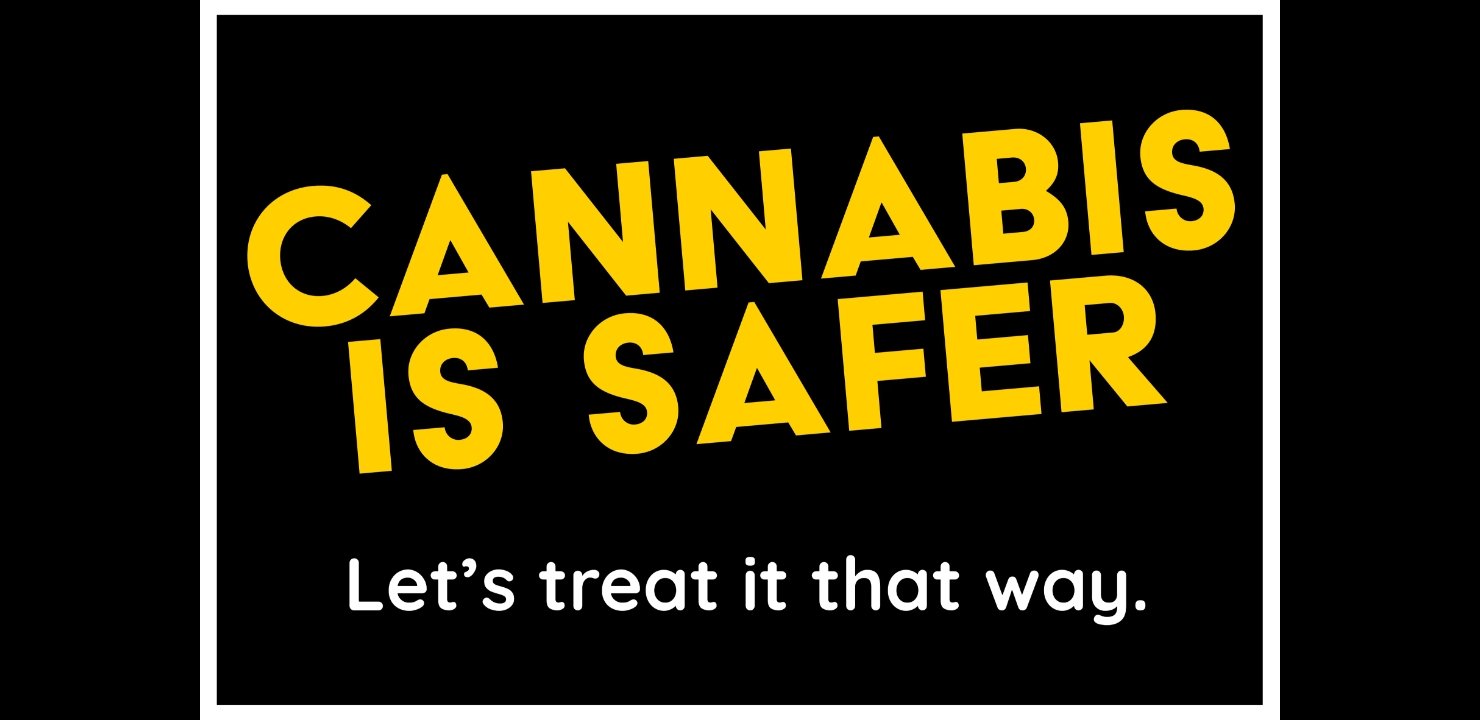
We believe adults have the right to freedom of choice, unless that choice harms other people, or our planet.
9 Oct 2023: Could ALCP win a key Electorate in 2023 and bring coat-tail MPs into Parliament as a determined crew to sort the issue on October 14th? WELLINGTON CENTRAL ‘YES’ VOTERS - -MICHAEL APPBLBY IS YOUR MAN!!!
16 Sept 2023: "No Need To Sell The Family Silver", Say ALCP | Scoop News
Only one in 20 votes is needed to crack 5%, and elect some of the very lovely ALCP team to Parliament - and liberate Aotearoa, 2023!
Party List 2023:
HERBERT, Maki
APPLEBY, Michael George
BRITNELL, Michael
LAMBERT, Paula
O'CONNELL, Kevin Patrick
BRITNELL, Irinka
LYE, Jeffrey
de JONGE, Jeni
COKER, Christopher
ANDERSON, Blair
MANNING, Romana
GRUMBALL, Anntwinette
ROBIN, Rebecca
McDERMOTT, Adrian
McDONALD, Anituhia
BROWN, Tony
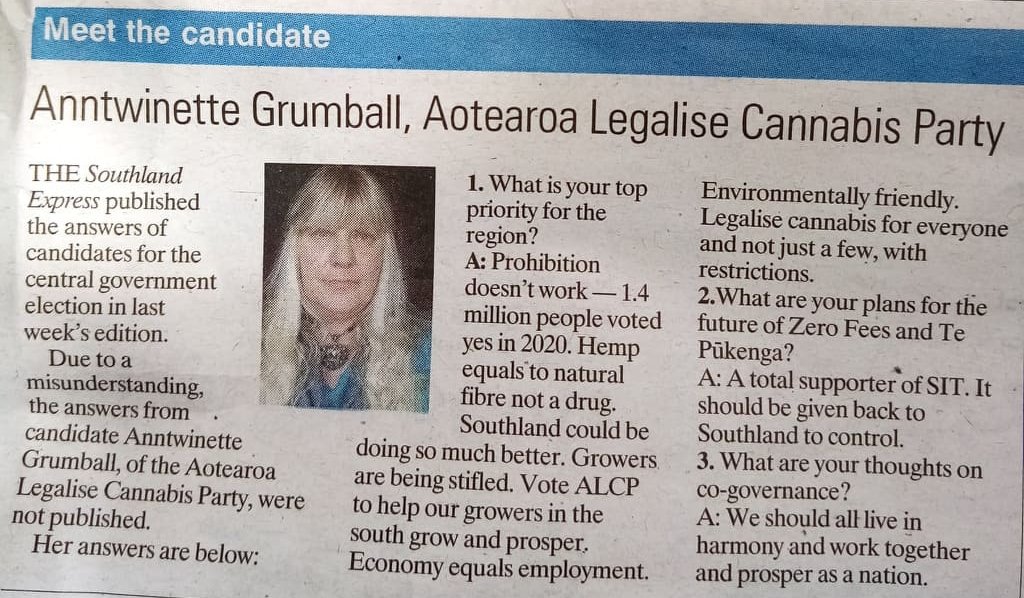
Meet the candidate !! Anntwinette Grumball our determined Southland candidate who made in to print today after being accidently missed earlier. Well done Anntwinette and very good answers too ! #highturnout2023

Kia Ora:

Mission Statement
The Aotearoa Legalise Cannabis Party (ALCP) exists to legalise cannabis in New Zealand for recreational, spiritual, medicinal and industrial purposes; to empower people to work together for peace and true justice; and to institute a proper and just balance between the power of the state and the rights and dignity of the individual.

Vast benefits of stopping stupid ‘crime-generating’ criminal law. Let’s Do this!
ACCOUNTABILITY? Do you feel cheated by the 2020 referendum? Well, we do too…
WE ASK FOR YOUR SUPPORT - AND VOTES - in influencing the most favourable outcome for Aotearoa, New Zealand in the 2023 General Election.

ALCP Co-Leader and WELLINGTON CENTRAL candidate Michael Appleby:
Stands for a genuine Fair Go in the Kiwi Justice system - The only honest Lawyer in NZ? …Sure, looks like it…
“NZ has cowardly hypocritical non-representation from all the other parties on this crucial Social Justice and Law and Order issue.
ALCP is here with the solution to sort this problem, once and for all. Let’s get some decent civilised cafes and adults home grow into action and kick start the economy!”
Michael Appleby, Lawyer and Law teacher - Our BEST MAN - and yours - for Wellington Central, ALCP 2023

Co-Leader Maki Herbert - a true community representative
Getting the word out there in the cannabis friendly UP NORTH heartland of Te Tia Tokerau! over 2000 votes in 2020! Well done, Maki!
Could ALCP win Te Tai Tokerau too in 2023 and bring coat-tail MPs into Parliament as a determined crew to sort the issue on October 14th???
“Do something different - Vote Aotearoa Legalise Cannabis Party!”
‘FIXING WHATS MOST BROKEN IN NZ’

“Lesssgo !!!” Rebecca Rae Robin - ALCPs shining light for TWO TICKS Te Tai Tonga! -Free the Whanau !!!
“WIN WIN WIN !!” Rebecca Rae Robin - the sensible, honest, relevant choice as MP for all the southern whanau and all nice Kiwis :)
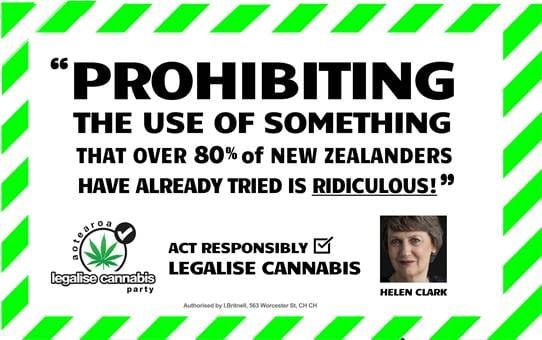
Aunty Helen says the narrow Referendum result is easily a mandate of sorts for some easing of restrictions - limited home grow for example. Absolutely!!
“Come on, Labour - Lets Do This! Listen to Aunty Helen and the silent team of 1.4million - or back nope-inc and referendum inquiry cover-up at your peril on Election Day 2023!!!”

Hard Hitting #3 Michael Britnell, ALCP President and Chch Central Man to beat:
“Decades in the making, trust and respect has been broken in NZ. Large sectors of the community no longer trust the government.
They know the government has been lying about cannabis and other drugs while giving harmful drug alcohol a free ride.
We can fix this very easily and NZ can make billions instead of paying billions to have our freedoms abused and most useful plant trampled underfoot.”
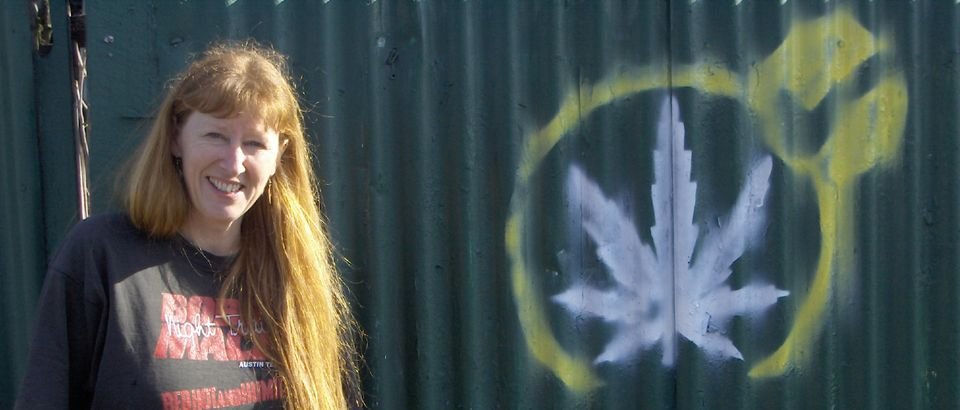
Paula Lambert ALCP #4 and prominent Christchurch East candidate - a formidable ‘no nonsense’ legaliser advocate: “ALCP’s answer to Helen Clark”

Our #8 Whangarei candidate and strong Medicinal advocate Jeni de Jong: “1.4 million voted ‘yes’ for proper adults-only regulated and safe cannabis law, and affordable accessible medicinal herb options.”
Govt should respect Kiwis who got the answer right, but also allow for micro-licenses and existing Kiwi skills/product COTTAGE INDUSTRY, instead of just big corporate players.
“1.4mil votes need to be heard. neither Red nor Blue going to free this plant.. We will.. Aotearoa Legalize Cannabis Party Vote”

Party V.P. #5 candidate, brilliant ideas man, web-editor and environmental legend (Clean up NZ since 1989) Kevin O’Connell - (and ‘Sacha Spitz’)
Keen to help Knock It Over this time, get safe prosperous trade happening and to take over from Tim in Invercargil Electorate

Christopher Coker our #9 ALCP list man and rattling Chloe’s cage in Auckland Central, the Hemp-Star to rival nope-favouring hypocritical Chris Labour and Chris National:
“Alcohol or cannabis safer? - The Answer is Cannabis”

Inclusive Brethren for Aotearoa? We Vote YES!
WHANAU AND COMMUNITY
LEGALISATION AND CONTROL BILL STRAIGHT TO SELECT COMMITTEE BUT AS CANNABIS CHOICE BILL (with inclusive ‘small player’ amendments)
MORITORIUM ON ARRESTS
5 plants per household immediately allowed
Only supply to minors remains arrestable. Andrew Little’s Draft bill proposes R20 age limit precaution.
Local skills, knowledge and Enterprise
Edibles Medibles Vaporised Quality Product
Responsible Adult Consumers, Homegrow, Health Promotion
Strictly NOT FOR CHILDREN (consistent message alongside tobacco, vapes, liquor, etc)
Jobs, Revenue and Tax, Cottage Industry, Tourism Post Covid Recovery.
Restore Law and Order
Friendly Police FOCUS ON REAL CRIME Courts no longer the enemy…
Expunge Criminal Records
Drug education untainted by hypocritical double standards
Drug testing for impairment, not recent use of easily detected cannabis
Civil Liberty, Human Rights, Cognitive Liberty
Respect for Nature
Honest Representation and Accountability in MMP Parliamen
HIGHLY Successful Canadian LEGAL Model has origins in New Zealand’s 2008 ‘Class D’ protocol : “SAFER THAN ALCOHOL”

ALCP #3 Michael & #6 Irinka Britnell, #2 Apples and #4 Paula Lambert, Campaign HQ Christchurch.
Determined, smart, honest Crew, 100% in it for yous !!
The Aotearoa Legalise Cannabis Party (ALCP) was founded ahead of the first MMP Election in 1996 by Mike Finlayson, Chris Fowlie, Nandor Tanczos and Norml team in Auckland. Michael Appleby led the Party from 1996 until taking a break in 2013.
Interim leaders were Julian Crawford, Abe Grey and Alista Gregory. Deputies have included Mike Finlayson, Blair Anderson Allan Webb, Steven Wilkinson, Mike Britnell, Tim Shadbolt…and 1st co-leader 2017 Jeffery Lyes (and Maki Herbert). Now our duty leader.
Since 2017 ALCP introduced Co-Leadership and has been co-led by Maki Herbert and Jeff Lye, and currently Co-Led Maki Herbert and Michael Appleby (back by popular demand!), with Jeff Lye as Deputy Leader.
The ALCP has contested all nine MMP general elections, as well as all twelve by-elections. and is determined to continue campaigning until fully liberal and beneficial Law Reform is properly REPRESENTED in Aotearoa, NZ
Since 1996 many official inquiries reports and reviews have highlighted the failure and inequity of prohibition in NZ, culmuinating in 2020s 160page proposed “harm minimisation” Cannabis Legalisation and Control bill.
“We believe cannabis legal status is the issue against which we measure our progress as a Civil Society.”
CURRENT PARTY EXCUTIVE also includes long-time advocates and community leaders:
President: Mike Britnell
VIce President: Kevin O’Connell
Secretary: Irinka Britnell
Treasurer: Paula Lambert
Criminalisation continues to disproportionately impinge on huge number of consumers whose use or cultivation of weed is relatively inconsequential and NO ONE ELSE’S BUSINESS.
It makes a mockery of rule of law. Because illegal stakes are high, and monetary incentives are great, “shit happens” on the black market and it all multiplies from there.
Let’s get rid of this far-worse-than-useless racially applied, criminality-promoting ‘dinosaur’ law!

Resolving our ‘criminal’ status in NZ, in line with scientific evidence, has been dragging out far far too long. Graphic from ‘New Scientist’ 1998…….

Blair Anderson #10 and Wigram Candidate - chronic over achiever, dog trainer, musician, staunch harm reductionist - 50 years in Cannabis Law Reform -and far more successful overall in Canada Policy Reform than New Zealand! Maybe its Blair’s chance here to get noticed the $3Billion Pro-Rata ‘Deliotte’ Cannabis Canada Calculation projected to NZ annual GDP

Restore Law and Order = Legalise and Control = Smart on Crime! (that’s why half NZ voted YES! - the smart Kiwis who got the answer right!!
HUMAN RIGHTS:
CANNABIS IS A PLANT, NOT A CRIME. ITS CONSUMERS AND CULTIVATORS ARE NOT OFFENDERS. IT IS THE LAW WHICH IS OFFENSIVE AND UNFIT FOR PURPOSE. AN EVEN BIGGER ISSUE NOW THAN IN 2020!
Everyone’s right to decide has been stolen away by corrupt NZ Governments. And we are all losing when we all could be winning. Let’s turn the $Billions thats been spent on failure into programmes for success!

Kaupapa of ALCP - many elections now: will Persistence finally pay off in 2023??

One of many fantastic graphics produced by Make It Legal and NORML NZ for the 2020 Referendum (Thanks guys!!!).
Unfortunately, it would appear many ‘Christians’ were fooled by the Family First big-money propaganda and just said nope instead of getting it was about control and safe regulation…
Philosophy we stand by: “UPHOLDING OF INDIVIDUALS RIGHTS WHERE THESE DO NOT UNREASONABLY IMPINGE ON OTHERS” (NZ Ministry of Health - evidence based National Policy on Alcohol Tobacco and Other Drugs, 1995)
ALCP works to de-stigmatise the cannabis legal status issue in NZ and remediate the current toxic representation situation under ‘nope coalition’ MMP in NZ Parliament.
We will correct the corrupted “harm minimization evidence base” in government with Ministries plundering taxpayer money MAKING WORK FOR THEMSELVES.
ALCP will make Aotearoa New Zealand a much nicer and SAFER, FAIRER, PROSPEROUS and HONEST place for all Kiwis!

Its not a crime: Vote for weed-Friendly Police and as a bonus close the “illegality of cannabis” gateway to Meth… [Thanks Norml NZ for 2023 election #TokeTheVote graphic]
ACCOUNTABILITY? Do you feel cheated by the 2020 referendum? Well, we do too…

Electoral Commission promotion 2020. Short on Info for Voters in 2020 - and again in 2023 it would appear (LATE & UNDELIVERED VOTER PACKS).
Reason wording truncated: ‘The commission says use of the abbreviated reference to ‘the cannabis referendum” was where brevity was required (for example in posters, online banner advertisements or short radio advertisements) was an accurate representation if its subject matter, and was not an irregularity that materially affected the results of the referendum…’
So, the subject was Yes or No to cannabis, was it???
“If ‘nope to dope’ was the honest outcome of honest, properly informed democratic process, then where is the completed honest report on the referendums from the Justice committee MPs?”
Suspiciously Missing Parliamentary Referendums Review? (committee also ‘misplaced’ the ALCP submission during 2021, using this to avoid inviting us to speak to Inquiry… so accountable)
Inquiry into the 2020 General Election and Referendums - New Zealand Parliament (www.parliament.nz)

Prohibition is NZ’s far-worse than-useless disaster policy, and criminalisation is NZ’s self fulfilling policy.
And it sure looks suspicious when Parliament IS “GETTING TOUGH ON CRIME” but has a cone of silence on the HIGH COSTS AND TOTAL FAILURE OF PROHIBITION…Graphic, Radio NZ News, Sept 2023

On the campaign trail again!

80,000 Maori didn’t vote last election.

1.4 million Kiwis voted against the completely unsafe unfair, unnecessary black market in 2020. “Thanks A Million to you all” We honour your YES vote!
Stop this invasive unjustified counter-productive law! PROHIBITION ALIENATES AND DRIVES CRIME AND RUINS LIVES AT HUGE COST TO TAXPAYER $$$$$$$$$$$$$
Liberalised in Holland since 1976, isn’t NZ being kept in the dark? 520 cannabis charges per month???
Explore our evidence-based FULL-SPECTRUM policy across Health, Justice, Law and Order, Human Rights, Employment, Economy, Education, Values, Environment, Tourism…
- why Cannabis Hemp liberation is much more than a single issue but arguably the single most important issue for NZ communities - On Principle.
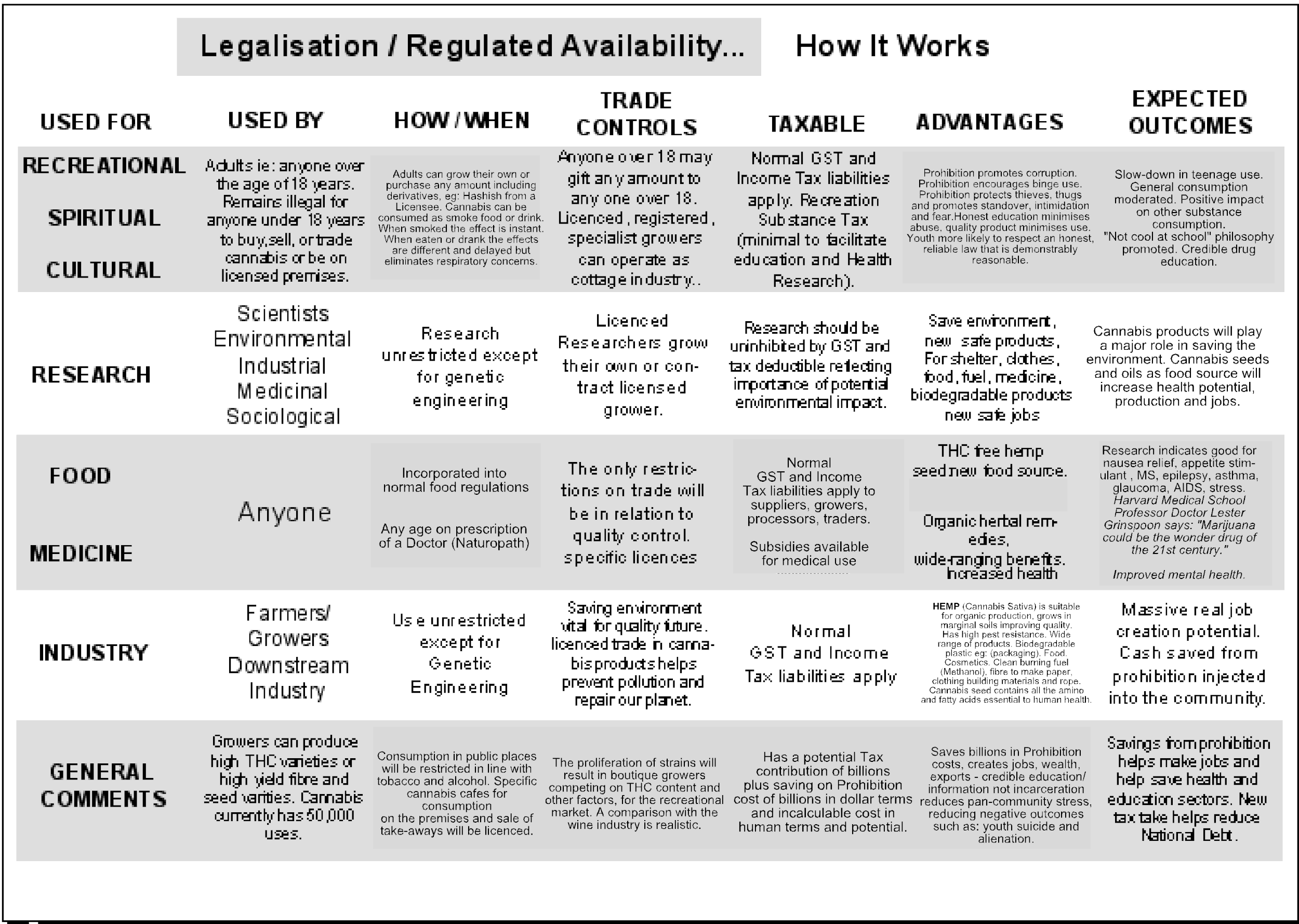
The ALCP's policies all relate to cannabis / hemp. These include legalising possession, growing and use of cannabis for those over 18 (consistent with alcohol & tobacco), taxing companies involved in the cannabis industry, removing restrictive red tape and need for a licence to grow hemp, and funding credible drug education and research.

Come on NZ, you’re not that stupid! there’s 600,000 of us on the black market and that’s just cannabis. Prohibition a failure - the injustice alienates - it drives crime and erodes Rule of Law - (and needs to be part of the 2023 law and order debate…)
RESTORE JUSTICE to all wrongly imprisoned and bullied conscientious objectors. ALCP supports NORML, Daktory, ALL grower enthusiasts, Roaring Lions, Green Fairies and Social Club Entrepreneurship. ALCP does NOT SUPPORT supply to minors of either Cannabis Alcohol Tobacco or Vapes.
Home | NZ Drug Foundation - At the heart of the matter

The future of Aotearoa is in your hands! 1,400,000 Kiwis can’t be wrong!!
ALCP viable as a last resort coalition balance of power?
WE ASKED OUR IN-HOUSE ANALYSTS:
The answer is YES! with all the pressure of 1.4million yes yotes, if one in twenty voters ‘clicks to our message’ gets on a roll and reckons its worth their protest vote for 2023 ‘ticking the leaf’, expert analysts predict opposition in the House is likely to crumble very rapidly! Evil Prohibition laws will most likely be up in smoke by lunchtime!
“Give it a go, Kiwis -Do something New!”

1999 election poster - the forgotten MMP election where Prohibitionist National Party suffered Electorate Shock Treatment!… and here we are again in 2023…

How did your electorate vote in 2020’s Cannabis Legalisation and Control Referendumb?